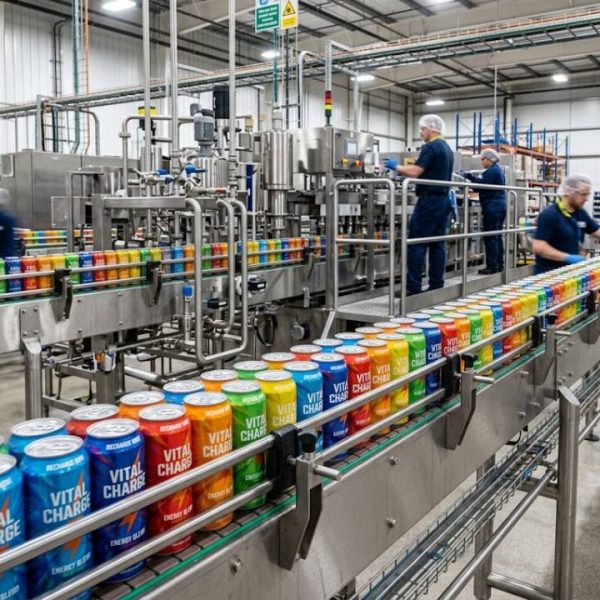

Britain's drinks makers have a long export tradition, and today's energy drinks, craft spirits and ready-to-drink cocktails travel further than ever. Private label and bulk production let new brands launch quickly, but the moment a pallet leaves the factory it enters a different legal and linguistic world.
A can that sells well in Manchester must still be understood in Munich, Madrid or Montreal. The label is the first salesperson, the legal document and the safety sheet all in one. Getting it right in every language is part of manufacturing, not an afterthought.
What a drinks label must communicate
Labels carry ingredients, allergens, nutrition values, alcohol content, caffeine warnings, batch codes and storage advice. Each market has its own format and mandatory wording. The official guidance on food labelling and packaging sets out the basic rules for the UK, and exporters must then check the requirements of every destination.
Energy drinks are a good example. Many countries require a caution about high caffeine content and advise against consumption by children, pregnant women and people sensitive to caffeine. The exact wording differs, and so do the size and placement of the warning.
Where translation errors cause real damage
A mistranslated ingredient can trigger an allergen risk. A wrong unit can cause a customs rejection. An awkward slogan can make a premium product look cheap. Mistakes also spread quickly online, where customers share photos of strange packaging.
- Ingredient lists with incorrect allergen terms
- Alcohol by volume written in the wrong format
- Caffeine and health warnings that do not match local law
- Marketing claims that are not allowed in the target market
- Instructions for storage or serving that are unclear
Each of these can delay shipments, lead to recalls or damage a brand's reputation with retailers.
Why private label makers need a language plan
Manufacturers who supply other brands often receive artwork in a single language and are asked to ship to several countries. Without a plan, translations arrive late and in inconsistent versions. Agreeing a glossary of ingredients, flavours and standard warnings at the start of the project saves time later.
A clear process also makes it easier to launch new flavours. When the base text is approved in every language, only the changed lines need review.
Professional support for global launches
Brands that sell abroad benefit from experienced translation services that know packaging and regulatory vocabulary. Translators who work with food and drink texts understand how to keep wording short, accurate and compliant with space limits on a can or bottle.
Certified linguists can also review product sheets, specifications and distribution contracts so that every document tells the same story.
Avoiding marketing missteps
Beverage branding relies on energy, humour and local flavour, which is exactly where translation goes wrong. Names that sound great in English can have unfortunate meanings elsewhere. Reading about brand translation mistakes in localizing advertisement helps teams spot problems before artwork goes to print.
Working with distributors and retailers
Importers and supermarket buyers judge suppliers on clarity. Provide product data sheets, certificates of analysis and safety documents in the buyer's language when possible. A well-organised pack of documents speeds up listing decisions and shows reliability.
Keep one master version of every document and track changes. When a recipe changes, update every language at the same time.
Digital content matters too
Websites, online shop pages and social channels need the same care. Customers read ingredients and reviews before buying, and search engines reward pages written naturally in the local language. Even a short product description should be adapted, not copied.
Checklist for exporters
- List your target countries and their labelling rules.
- Prepare a glossary for ingredients, flavours and warnings.
- Use specialist translators for regulated texts.
- Have a native speaker check the final artwork.
- Archive approved texts for future batches.
Shelf life, storage and serving instructions
Storage advice looks simple but needs careful wording. Phrases such as best before, use by and keep refrigerated after opening are used differently from country to country. A mistranslation can lead consumers to drink a product past its safe date, or retailers to reject a shipment.
Serving suggestions deserve the same care. A cocktail mixer that suggests a ratio in ounces will confuse customers who measure in millilitres. Convert units and test the instructions with a native reader.
Packaging design and text space
Translated text is often longer than English. German and Finnish words can run over the limits of a small can, while languages written from right to left require a different layout. Share the dieline with your translators early so they can propose shorter phrasing that still meets legal standards.
Designers should also leave room for multilingual panels and QR codes that link to full information online.
Sustainability and honest claims
Consumers care about recycling, sourcing and sugar content. Claims such as natural or low sugar are regulated, and the allowed wording varies. Translate claims precisely and back them with evidence. Overstated promises create legal risk and erode trust.
Thinking long term
Strong drinks brands are built on consistency. When every can, website and document speaks clearly in the customer's language, trust follows. Manufacturers who invest in translation early avoid costly corrections later and open new markets with confidence.